
Loading article
Loading page...

#AmazonPPC #ProductLaunch #AmazonFBA #EcommerceMarketing #PPCStrategy
Launching a new product on Amazon is exciting, but standing out in a crowded marketplace is a challenge. With thousands of similar listings competing for attention, visibility becomes your biggest hurdle. Amazon PPC lets you place your product directly in front of high-intent shoppers from day one. When executed correctly, PPC becomes the engine that drives your product’s launch, ranking, and long-term growth.
Every new product on Amazon starts with the lowest reviews, no ranking, and no sales history. Without visibility, even the best products struggle to gain traction. Amazon PPC breaks this barrier by instantly pushing your listing into top search positions where shoppers are looking to buy. It jumpstarts your sales momentum, accelerates review collection, and tells Amazon’s algorithm that your product deserves to rank.
Amazon PPC is your shortcut to page-one visibility. It uses an auction-based bidding system in which advertisers compete for top placements by bidding on relevant keywords.
The best part? You pay only when someone clicks your ad, making it efficient and performance-focused.
With the right bid and relevance, your product competes alongside established brands even during launch.
Launching without a structured strategy is the fastest way to waste money. A strong PPC launch plan gives you clarity, control, and predictable results.
By dividing your approach into three phases: launch, optimize, and scale, you maximise reach early while fine-tuning performance as you grow.
This system ensures your product doesn’t just get visibility but converts at a profitable rate.
The first two weeks are the most crucial for any Amazon launch. This is where visibility matters more than profitability. Your goal is simple: dominate placements, collect data, and get as many eyes on your product as possible. Setting aggressive budgets and broad targeting ensures your listing is discovered quickly across a wide range of search terms.
After gathering enough PPC data, it’s time to refine your approach. This is where you shift from aggressive spending to intelligent spending. You now understand what’s working and what’s not, allowing you to optimize campaigns for efficiency. Your focus becomes improving ROI, cutting waste, and pushing high-performing keywords harder.
Once your product stabilizes and starts converting consistently, it’s time to scale. Scaling allows you to expand visibility, capture competitor traffic, and maximize profitable placements. With optimized campaigns and solid performance data, your product can consistently maintain strong rankings while growing month after month.
Your campaign setup plays a huge role in determining how your launch performs. A clean, organized structure makes it easier to track results, adjust budgets, and identify top-performing keywords. Combined with strong visuals and optimized titles, a good setup ensures both high click-through rates and strong conversion potential from day one.
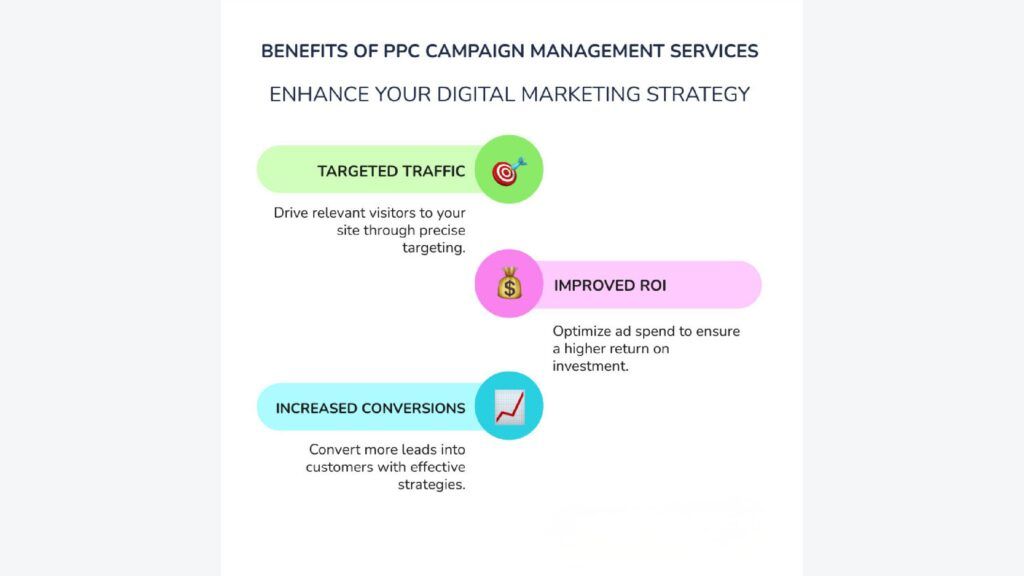
A well-structured Amazon PPC foundation is the key to driving early visibility, steady rankings, and controlled ad spend during your launch.
Your launch structure should balance exploration and precision. Auto campaigns help Amazon find the most relevant search terms, while manual campaigns allow you to control spend and scale winners. This combination ensures maximum discovery without sacrificing profitability.
Sponsored Products are your biggest advantage during launch because they seamlessly blend with organic search results. They help you reach shoppers who are actively comparing products and ready to buy. With strategic bidding and keyword targeting, Sponsored Products can generate early conversions that boost your ranking fast.
When your campaigns become stable and predictable, it’s time to use advanced tactics to dominate your niche. Defensive and offensive strategies help protect your brand while capturing more market share. These tactics ensure long-term growth and keep your product ahead of competitors.
A successful Amazon launch needs more than turning on ads it needs strategy, structure, and constant optimization. That’s where Clickstera gives your brand an advantage. We build and manage data-driven PPC systems that increase visibility, control costs, and drive stronger conversions at every stage of your launch. From deep keyword research to smart scaling, we handle the entire process so you can focus on growing your brand.
Why is Amazon PPC important for new product launches?
Amazon PPC helps new products gain instant visibility, drive early traffic, and generate initial sales, which are critical for improving organic rankings and building momentum during the launch phase.
What is the best Amazon PPC strategy for launching a new product?
The best strategy combines automatic and manual campaigns, focuses on Sponsored Products ads, targets high-intent keywords, and gradually optimizes bids based on performance data.
How much budget should I allocate for Amazon PPC during a product launch?
Launch budgets vary by category and competition, but sellers typically invest more initially to collect data, test keywords, and build visibility before optimizing for profitability.
How long should I run Amazon PPC campaigns after launch?
Amazon PPC campaigns should run continuously after launch, with gradual optimization to reduce costs and scale winning keywords for long-term growth.
Talk to Clickstera and get a clear next-step plan to scale your performance marketing.