
Loading article
Loading page...

In today’s competitive Amazon marketplace, relying on a single campaign type or only high-intent keywords is no longer enough. Shoppers interact with multiple ads and listings before deciding to purchase, which means your advertising must support them at every step of that journey. A full-funnel Amazon PPC strategy ensures your brand stays visible from first discovery to final conversion.
This guide explains how to structure Amazon PPC campaigns across all funnel stages so your advertising works as a connected system rather than isolated efforts.
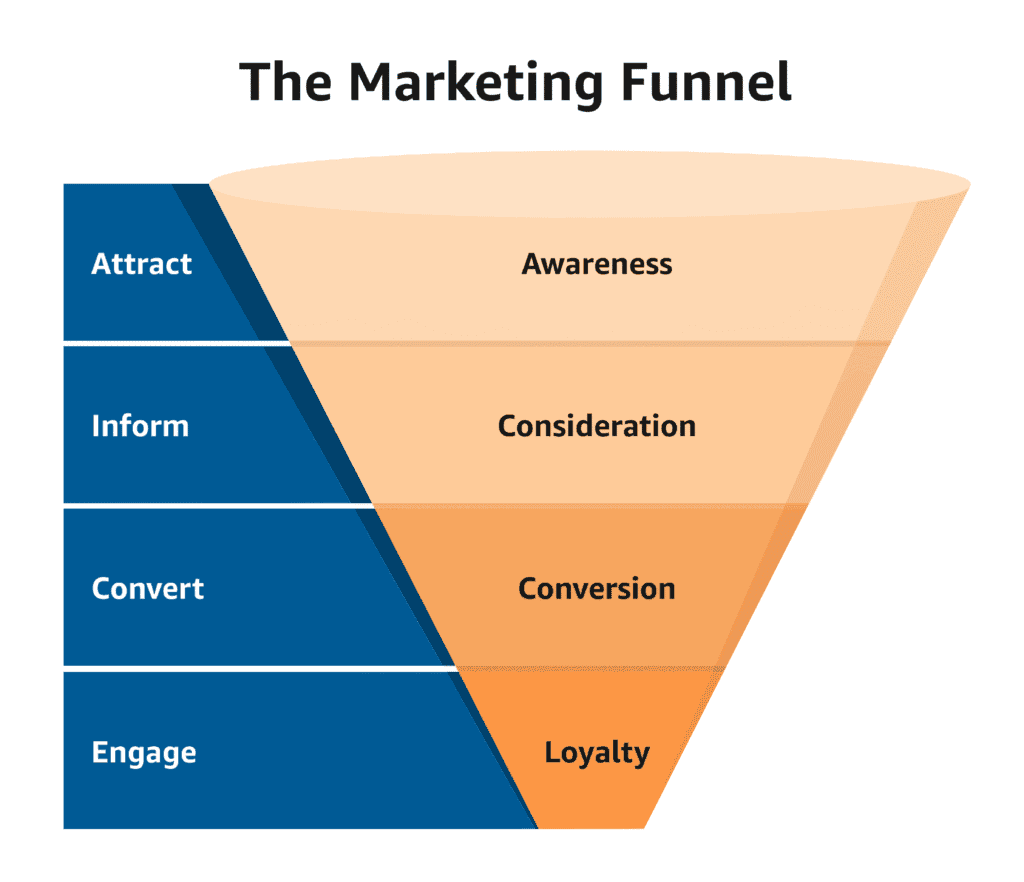
The Amazon PPC funnel reflects how shoppers actually behave on the platform. Most buyers do not purchase the first time they see a product. Instead, they explore categories, compare alternatives, read reviews, and return multiple times before making a decision. A funnel-based structure allows advertisers to stay present throughout this process.
By separating campaigns by funnel stage, you can align targeting, messaging, and budgets with shopper intent.
The Amazon PPC funnel consists of:
Rather than pushing for immediate sales, this approach builds familiarity and trust that leads to stronger long-term performance.
Focusing only on bottom-funnel campaigns often leads to rising costs and inconsistent results. As more advertisers compete for the same high-intent keywords, cost per click increases and efficiency declines. Without awareness and consideration campaigns, future demand is never replenished.
A full-funnel approach creates a healthier advertising ecosystem where demand is built before it is converted.
Key advantages include:
Each funnel stage supports the next, creating a steady flow of qualified traffic.
Amazon shoppers rarely follow a straight path to purchase. They may discover a product through search, leave to compare options, and return later after seeing ads multiple times. Understanding this behavior is critical for building effective PPC campaigns.
Your strategy should focus on maintaining visibility rather than forcing immediate conversions.
Common shopper actions before purchase include:
A full-funnel structure ensures your ads appear consistently throughout the decision-making process.
Top-funnel campaigns are designed to introduce your products to shoppers who are not yet familiar with them. These users may be browsing categories or searching broadly without a specific brand in mind. The goal is exposure, not immediate sales.
Success at this stage is measured by reach and visibility rather than direct revenue.
Effective top-funnel campaign types include:
Primary metrics to track:
At this stage, success is measured by exposure and discovery, not ROAS.
Sponsored Brand Video ads are particularly effective for top-funnel awareness because they auto-play in search results and quickly capture attention. These ads allow advertisers to communicate value before a shopper even clicks on a listing.
When executed well, video ads build recognition that improves performance across the entire funnel.
Best practices for Sponsored Brand Video ads:
These campaigns build familiarity that improves performance later in the funnel.
Middle-funnel campaigns target shoppers who are actively evaluating their options. These users understand the category and are comparing products, features, prices, and reviews before making a decision. At this stage, relevance and credibility matter most.
The objective is to position your product as the best option among competitors.
Effective middle-funnel strategies include:
Traffic from these campaigns is more qualified and closer to conversion.
Product targeting allows ads to appear directly on competitor product pages and similar listings. This strategy captures shoppers during the comparison phase, when purchase intent is forming but not finalized.
By appearing alongside alternatives, your product stays part of the evaluation process.
How to use product targeting effectively:
This strategy reaches shoppers at a critical decision point and drives high-quality traffic.
Sponsored Brand campaigns help reinforce trust and credibility during the consideration stage. These ads display your brand logo, a custom headline, and multiple products in premium placements. They encourage shoppers to explore more than one listing.
This approach supports brand recall and increases engagement across your catalog.
Benefits of Sponsored Brand campaigns include:
A well-structured Storefront improves conversion rates from these campaigns.
Bottom-funnel campaigns focus on shoppers who are ready to purchase. These users search with clear intent and respond best to precise targeting and strong listings. This stage is where conversions and revenue are generated.
Efficiency and structure are critical to maximizing ROAS.
Key bottom-funnel campaign types include:
Clean structure and ongoing optimization are critical at this stage.
Exact match campaigns capture shoppers who know exactly what they want and are close to purchasing. These campaigns should be tightly managed to maintain profitability. ASIN targeting helps re-engage shoppers who viewed products but did not convert.
Together, these strategies help close sales efficiently.
Best practices include:
These tactics help close sales and maximize return on ad spend.
Each funnel stage plays a different role and should be evaluated using appropriate metrics. Measuring every campaign by ROAS alone can lead to poor optimization decisions, especially for awareness and consideration efforts.
Understanding assisted conversions provides a more accurate performance picture.
Metrics by funnel stage include:
Understanding assisted conversions provides a more accurate view of overall performance.
Many advertisers invest heavily in bottom-funnel campaigns while neglecting awareness. This approach limits long-term results by failing to generate new demand. A balanced budget keeps performance stable and scalable.
Budget allocation should reflect funnel priorities.
Recommended budget allocation:
As awareness increases, budget distribution can be adjusted accordingly.
Poor performance is often caused by structural issues rather than product quality. Avoiding common mistakes can immediately improve results and simplify optimization.
Clear segmentation and funnel alignment are essential.
Mistakes to watch for include:
Clear structure allows for better optimization and scalability.
Building and managing a full-funnel Amazon PPC strategy requires experience, structure, and continuous optimization. This is where Clickstera helps brands simplify complexity and achieve consistent results on Amazon.
Clickstera specializes in data-driven Amazon PPC management designed to support every stage of the funnel. From awareness campaigns that introduce your products to new audiences, to conversion-focused strategies that maximize return on ad spend, Clickstera ensures all campaigns work together as a unified system.
With Clickstera, you get:
Whether you are launching new products or optimizing existing campaigns, Clickstera helps you build a structured Amazon PPC framework that delivers long-term results not just short-term wins.
Talk to Clickstera and get a clear next-step plan to scale your performance marketing.