Loading article
Loading page...
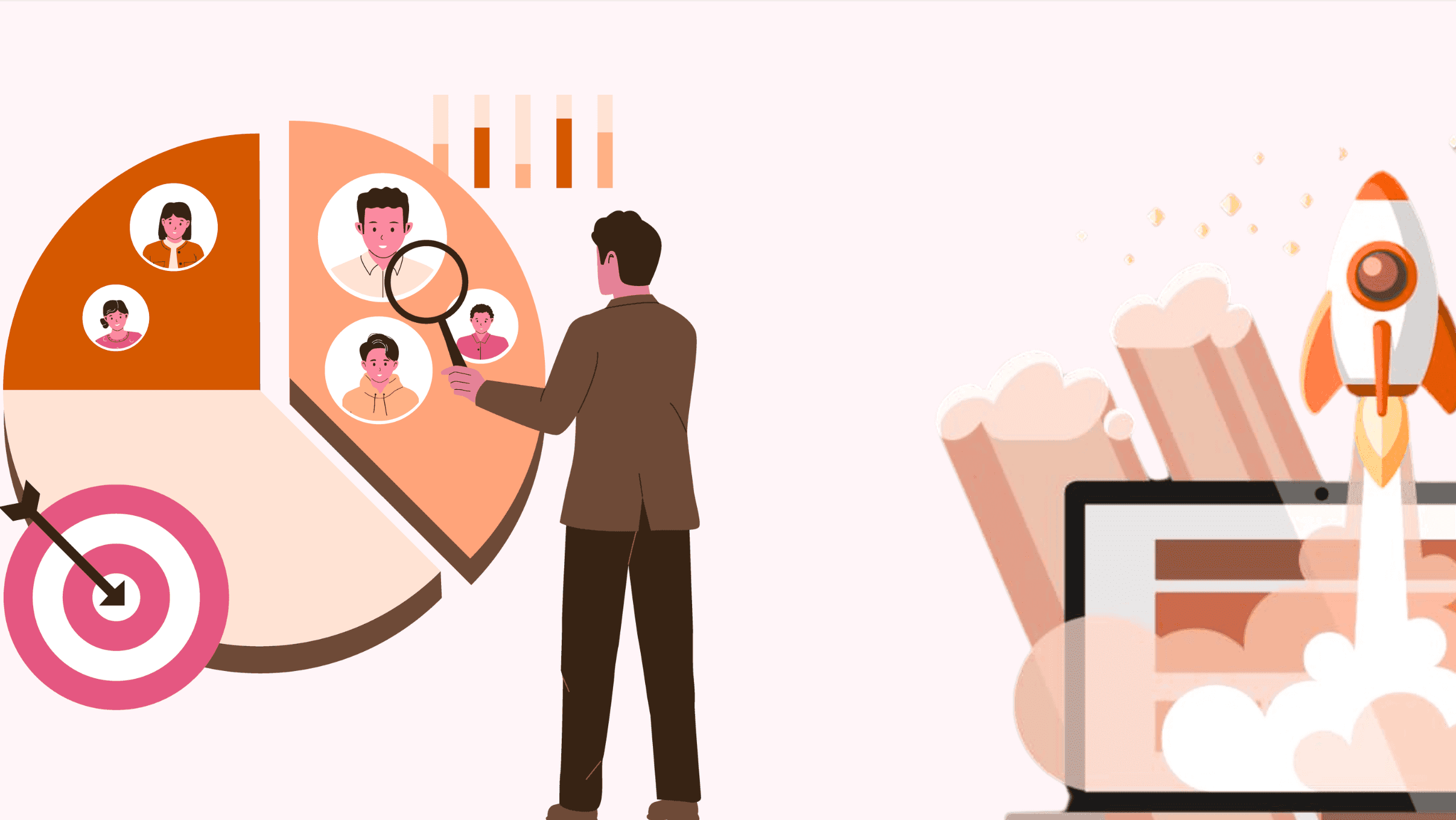
In today’s retail landscape, the buyer’s journey is anything but linear. Shoppers jump between product pages, devices, online reviews, and store visits, often in unpredictable ways. At any given moment, your ads could be reaching someone at the very top, middle, or bottom of their decision-making process.
Audience targeting used to mean choosing who to target. Now, it’s just as much about when and how. It’s no longer about adding more audience segments; it’s about understanding how to leverage the ones you already have across the entire funnel, with more precision.
According to the 2025 State of Retail Media report, nearly 60% of marketers are now using full-funnel strategies to connect with shoppers at every stage of the journey.
So here’s a question we at Clickstera often ask ourselves and our clients: Are you using your audiences smartly, or are you boxing them into a single stage of the funnel?
With brands now using an average of seven retail media networks, the number of touchpoints is exploding. While this offers endless opportunities, it also raises the risk of disjointed messaging and missed moments.
61% of marketers in the same report say full-funnel tactics help them maintain message consistency. But consistency doesn’t mean sending the same message to everyone. A one-time buyer doesn’t need the same message as a loyal repeat customer. Someone who left items in their cart isn’t the same as someone who hasn’t engaged in months.
The key? Smarter segmentation. Not by growing your audience lists endlessly but by using what you already have with more intent and strategy.
Below, we break down how nine types of audiences can be used more thoughtfully across the funnel to not just drive conversions, but also guide shoppers forward.
Often excluded to avoid wasting impressions, but what if they’re your most valuable asset?
Top of Funnel: Create lookalike audiences using data like timing, product category, or triggers.
Middle: Recommend complementary products or new use cases to drive re-engagement.
Bottom: Send reorder reminders, subscriptions, or loyalty-based offers.
Think retention, not just conversion.
Hit with discount after discount… but is price really the issue?
Top: Analyze common abandonment patterns and refine qualification criteria.
Middle: Tackle hesitation with messaging around delivery times, reviews, or returns.
Bottom: Use urgency-driven creatives, limited stock, time-sensitive offers, etc.
Abandonment is feedback. What caused the pause?
Often underutilized or ignored to protect margins.
Top: Build high-value lookalikes using loyalty traits.
Middle: Showcase new arrivals, brand stories, or features they’ve never tried.
Bottom: Give exclusive access or reduce frequency to avoid overexposure.
Sometimes, respect means knowing when not to advertise.
They’re nearly there, don’t blow it with pressure.
Top: Capture early signals like long PDP views to improve prospecting.
Middle: Provide comparisons, social proof, or flexible payment options.
Bottom: Deliver customized offers or reassurance about delivery speed.
The final step is often about trust, not urgency.
Clicked your ad? Doesn’t mean they’re ready to convert.
Top: Retarget softly with brand value content or testimonials.
Middle: Share feature highlights and benefit-led storytelling.
Bottom: Only push conversion messages to your most engaged group.
A click is of interest, not intent. Let them breathe.
Often used too broadly without meaningful refinement.
Top: Start with brand-building campaigns tailored to likely interests.
Middle: Layer on behaviors like recency or shopping category.
Bottom: Move to conversion ads only when intent signals are clear.
Better lookalikes reflect behaviour, not just demos.
Not just bargain hunters, they can become long-term loyalists.
Top: Tease upcoming sales or early access to warm them up.
Middle: Re-target based on previous buying habits, deal type, timing, and category.
Bottom: Post-sale, test upsells and loyalty hooks.
Turn peaks into habits, not one-off spikes.
They’re curious but unfocused.
Top: Inspire with curated bundles or “frequently bought together” highlights.
Middle: Reinforce product relationships with smart bundles or benefits.
Bottom: Incentivize the cart with bundles based on real-time behavior.
Inspire before you push. Help them see the connection.
Often hit with a “We miss you”, and that’s it.
Top: Exclude unless new behaviors suggest a return.
Middle: Re-engage with what’s new, improved service, new products, and faster shipping.
Bottom: Base offers on their previous buying cycle and product preferences.
Don’t remind them they left, show them why to come back.
At Clickstera, we believe audience strategy is the foundation of every winning campaign. It’s not just about who you reach; it determines how you show up, what you say, and when you say it.
And in today’s complex retail media environment, precision targeting doesn’t start at the bottom. It starts with thoughtful planning, segmentation, and message sequencing across the full funnel.
Winning teams aren’t necessarily spending more. They’re just building more thoughtful, personalized paths for their audiences, designed around where each shopper is and what they need next.
That’s how full-funnel media creates real lift. Not just through shiny formats or new ad placements but through a strategy that matches how shoppers actually behave.
What is full-funnel audience targeting in retail media?
Full-funnel audience targeting focuses on reaching shoppers at every stage from awareness to conversion and retention using data-driven segments like new visitors, high-intent shoppers, and repeat buyers.
Why is audience targeting important in retail media advertising?
Audience targeting helps brands deliver relevant ads to the right shoppers, reducing wasted spend, improving conversion rates, and maximizing return on ad investment.
How do lookalike audiences help scale retail media campaigns?
Lookalike audiences allow brands to reach new shoppers who share similar behaviors with existing customers, making it easier to scale campaigns while maintaining performance.
How can brands re-engage lapsed or inactive customers?
Brands can re-engage lapsed customers through tailored messaging, personalized offers, and retargeting strategies that remind shoppers of value and encourage repeat purchases.
Full-funnel audience targeting focuses on reaching shoppers at every stage from awareness to conversion and retention using data-driven segments like new visitors, high-intent shoppers, and repeat buyers.
Audience targeting helps brands deliver relevant ads to the right shoppers, reducing wasted spend, improving conversion rates, and maximizing return on ad investment.
Lookalike audiences allow brands to reach new shoppers who share similar behaviors with existing customers, making it easier to scale campaigns while maintaining performance.
Brands can re-engage lapsed customers through tailored messaging, personalized offers, and retargeting strategies that remind shoppers of value and encourage repeat purchases.
Talk to Clickstera and get a clear next-step plan to scale your performance marketing.