
Loading performance story
Loading page...
Mad Genius launched in Walmart with no advertising history, no campaign data, and no playbook. We built one — from the ground up — and helped a brand-new frozen snack brand earn its way onto 1,100+ Walmart shelves.
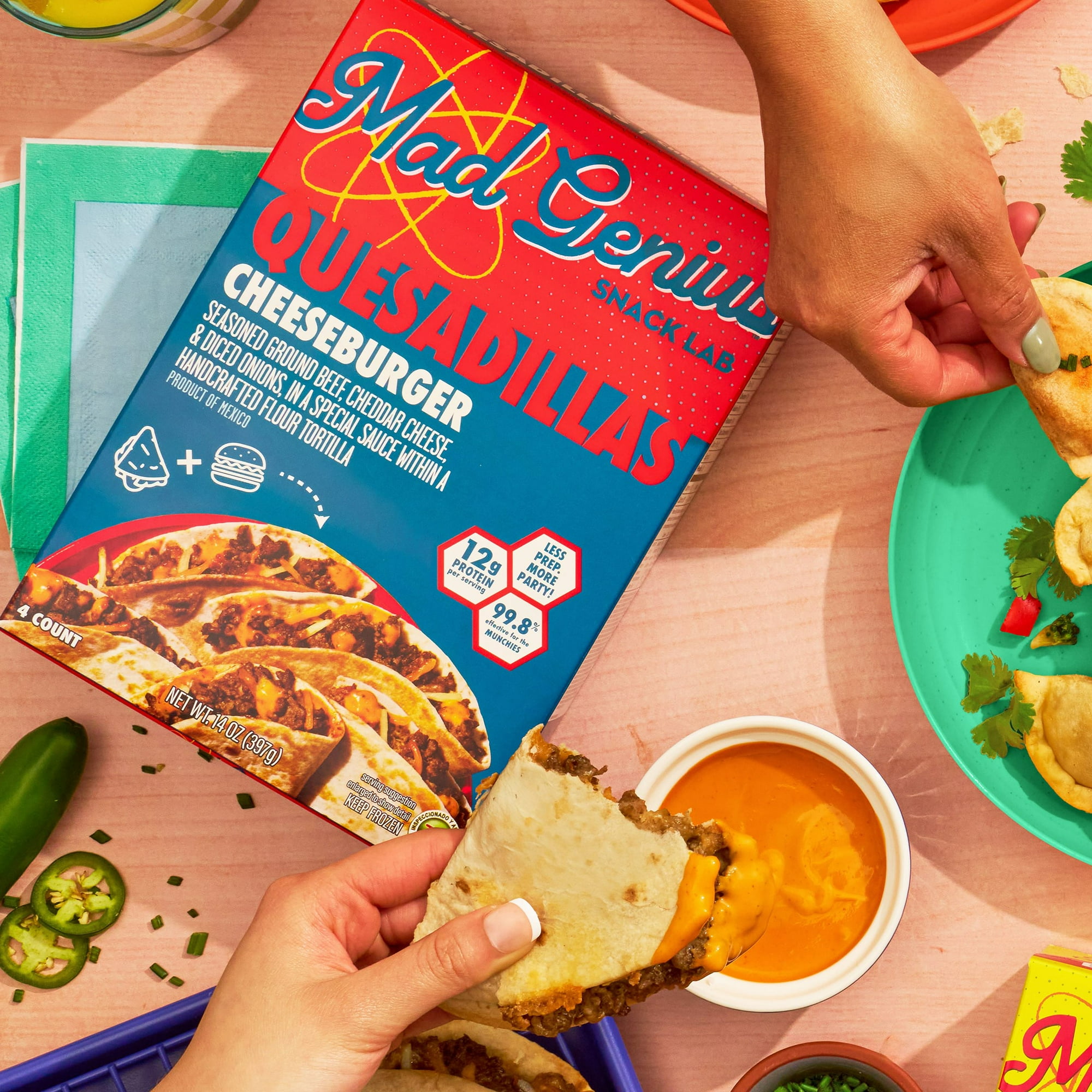
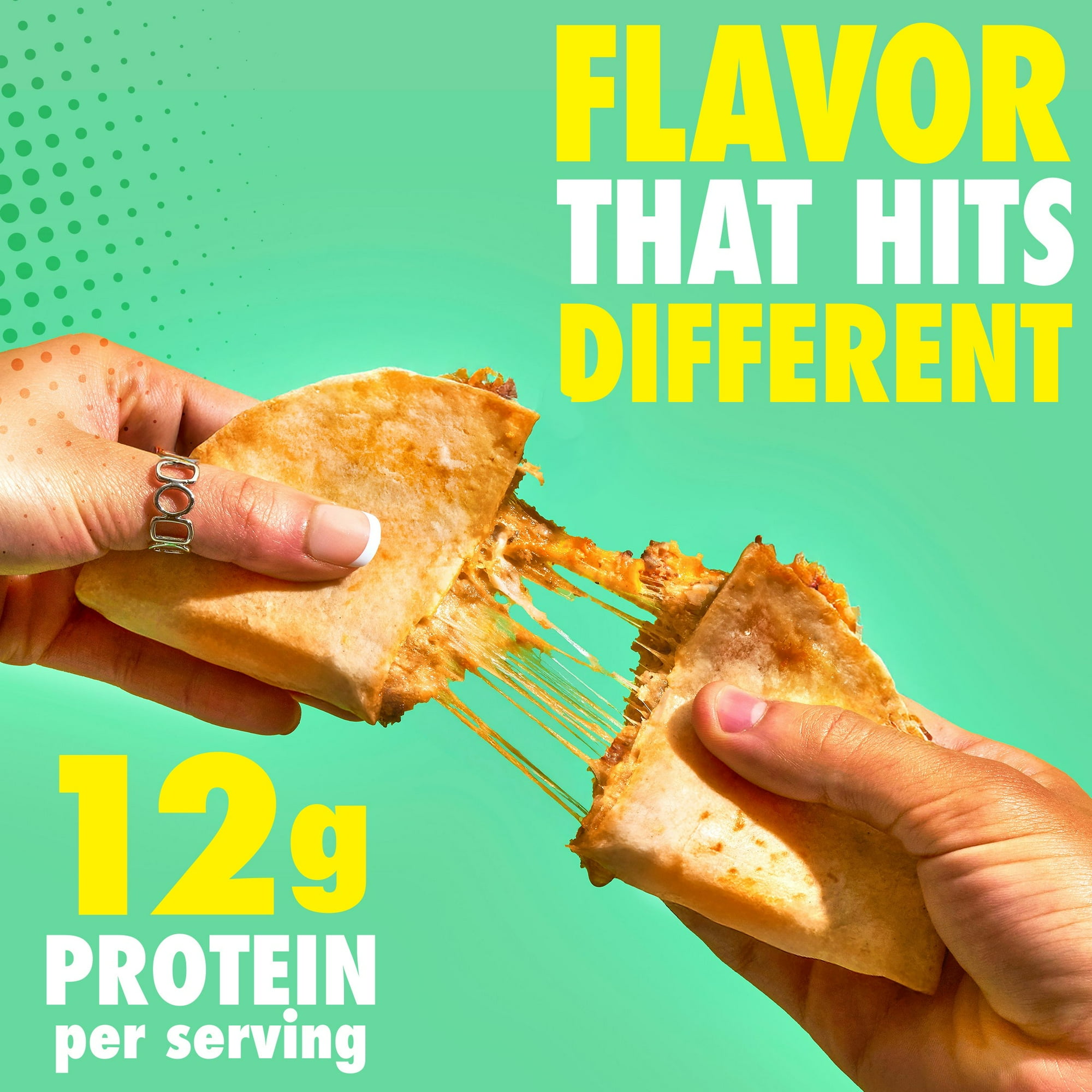
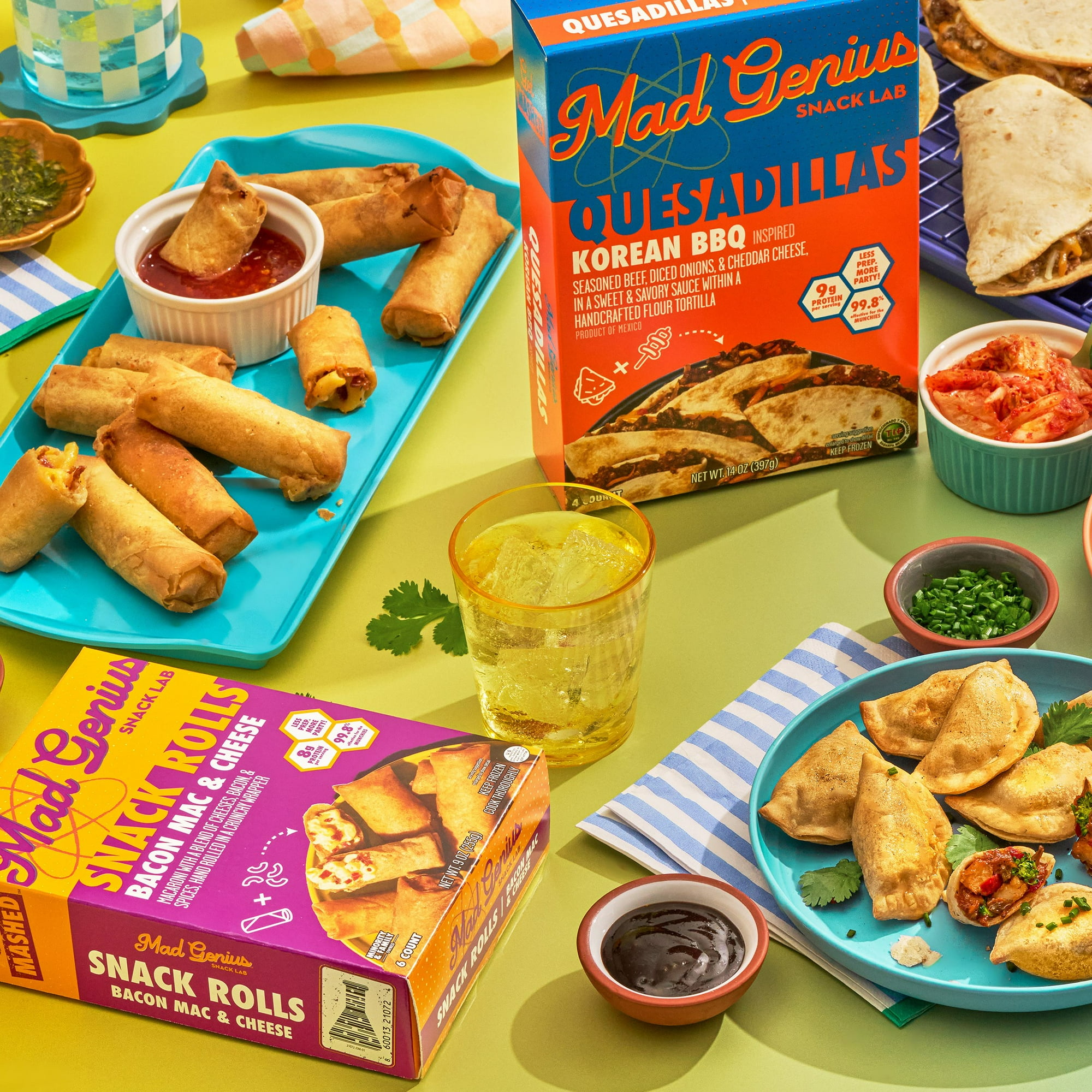
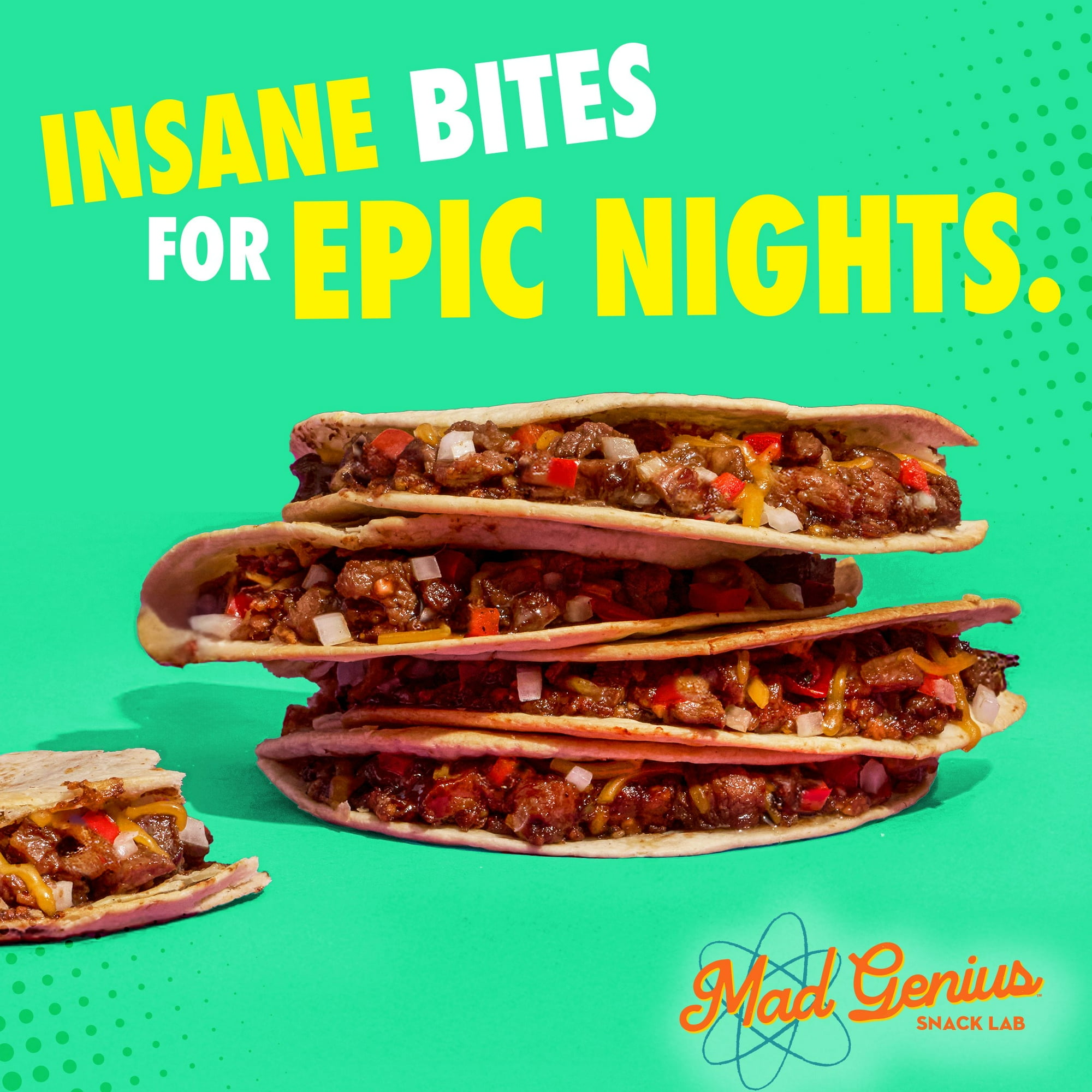
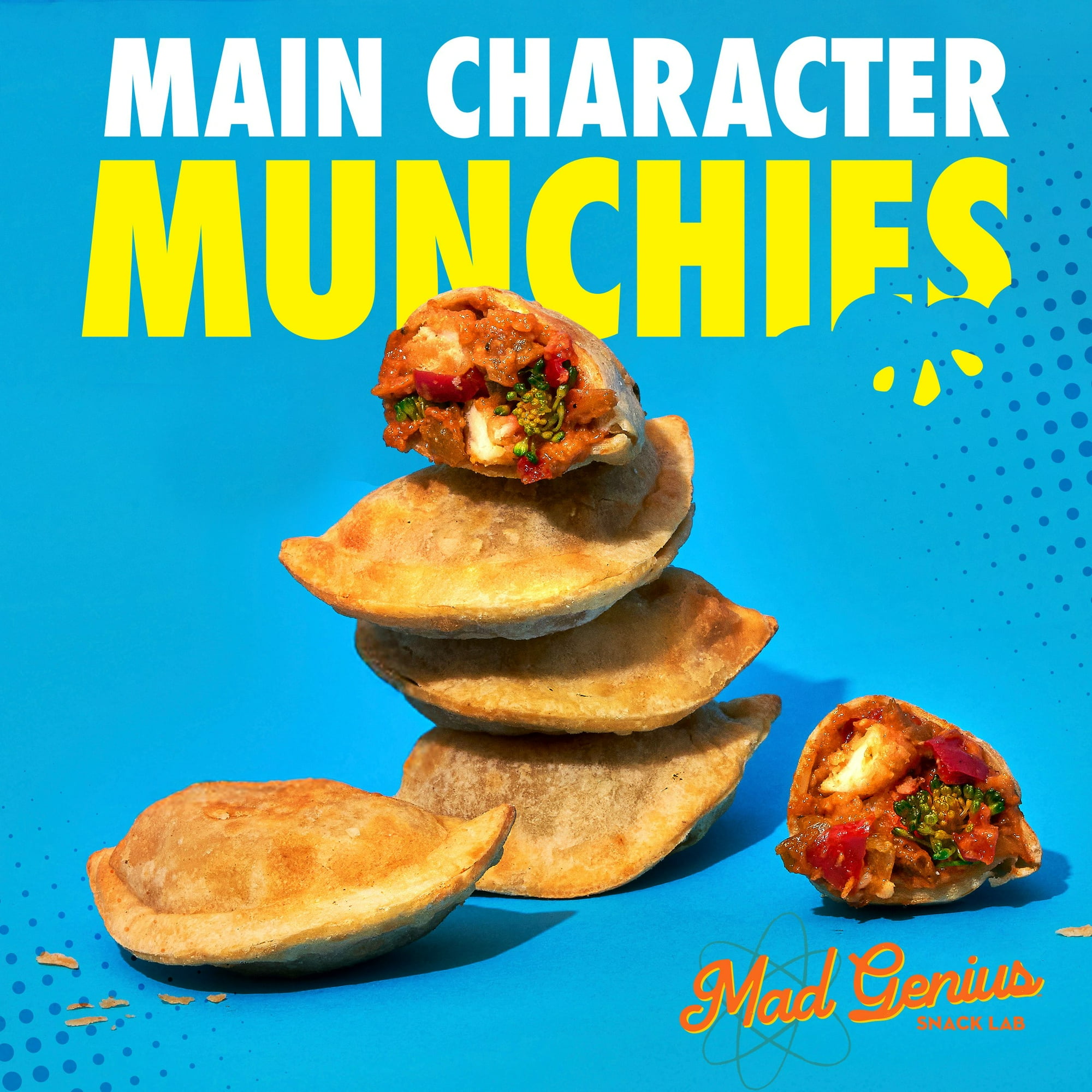
Mad Genius is FoodStory Brands’ boldest bet — a frozen snack brand designed from the ground up for Gen Z and Millennials who eat about five times a day and want every snack to feel like a culinary event. Korean BBQ Quesadillas. Cheeseburger Quesadillas. Bacon Mac & Cheese Snack Rolls. General Tso’s Chicken Empanadas. Classic comfort food DNA fused with global flavor profiles — ready in minutes from an air fryer, oven, or microwave.
When Mad Genius launched in Walmart’s frozen section in mid-2025, it landed in approximately 200 stores. There was no advertising history. No keyword data. No ROAS benchmark to reference. There was only the product, the shelf, and the strategy we built from Day 0.
Clickstera was the advertising partner from the very beginning — before the first impression was ever served. What follows is the story of how we built a Walmart advertising playbook for a brand-new product in a competitive frozen category, and turned early velocity data into the proof that earned Mad Genius a place on more than 1,100 Walmart shelves.

Launching a new brand on Walmart advertising is fundamentally different from taking over an existing account. There’s no search term history to mine. No keyword bids to optimize from. No campaign performance data to diagnose. You’re not fixing something — you’re building something, and every early dollar of ad spend is simultaneously generating revenue and gathering intelligence for the next decision.
The frozen snack category on Walmart is competitive, crowded, and unforgiving of slow execution. Established brands defend their placements aggressively. New entrants either establish velocity quickly — proving to Walmart’s algorithm and buyers that the product moves — or they get buried. Velocity is survival in the early weeks of a Walmart launch.
The additional challenge: Mad Genius is a 1P brand. Walmart buys inventory wholesale and controls shelf allocation. The advertising had to do more than generate clicks — it had to generate enough product movement to signal to Walmart’s buyers that Mad Genius deserved more shelf space. Every ad impression was an argument for a store count expansion.
“The first weeks weren’t about ROAS. They were about proving to Walmart that this product moves. Get the velocity data. Build the case. Earn the shelf.”
The architecture we built for Mad Genius follows a principle we’ve tested across every Walmart CPG brand we manage: auto campaigns first, because Walmart rewards them with more placement types. Manual campaigns come next — not to replace auto, but to defend branded terms and scale what the data confirms is working. And once the foundation is proven, you expand into every available format simultaneously.
The goal was never to run efficient campaigns. It was to dominate every placement type available — Search In-Grid, Item Carousel, Buy Box, Sponsored Video, Search Brand Amplifier — so that wherever a Walmart shopper was browsing in the frozen section, Mad Genius was visible. Not competing. Dominating.
Auto-only. Maximize placement coverage while gathering clean data. Every SKU grouped to cover all Walmart ad placements from Day 1.
Data confirmed. Manual keyword campaigns added per SKU. Auto campaigns maintained — they access placements manual cannot reach.
Sponsored Video launched per SKU. Search Brand Amplifier added. 12 campaigns now covering every placement type simultaneously. One video → four product-specific videos after we pushed the team to maximize format potential.
Premium positions 1–6 in search results
Auto-exclusive product page placements
Below “Add to Cart” on competitor PDPs
Per-SKU video — 4 separate campaigns
Brand banner dominating top of search
When Mad Genius provided their Sponsored Brand Video creative, it was a single asset covering the whole brand. We ran it. It worked. And then we pushed.
“Split it into four product-specific videos.” One for Cheeseburger Quesadillas. One for Korean BBQ. One for Bacon Mac & Cheese Snack Rolls. One for Tso’s Empanadas. The Mad Genius team were immediately on board — in hindsight, it was obvious. But obvious things often don’t happen unless someone is thinking about growth at the product level, not just the account level.
The result: four separate Sponsored Video campaigns, each targeting the highest-intent keywords for that specific product. The conversion signal for each SKU became cleaner. The impression share on video placements expanded. And the overall account breadth went from a brand with ads to a brand with a presence.
This is the Clickstera difference — we don’t just manage what exists. We think about what should exist, and we build it. Strategy isn’t a report; it’s a conversation about when to go aggressive, when to defend, when to add formats, and when to hold.
“RoAS is an outcome. Everything else — when to go aggressive, when to defend, when to add campaigns, when to split a video into four — that’s the strategy. That’s what moves brands.”
Note: All four product-specific Sponsored Brand Videos run as separate campaigns. Additional video creatives for Bacon Mac & Cheese and General Tso’s Empanadas available from the Mad Genius team.
In Walmart’s 1P model, store count expansion isn’t automatic. National buyers review velocity data — how fast products move through stores — and make decisions about distribution based on what the numbers show. Advertising accelerates velocity. Velocity earns shelf space.
Within the first five weeks of launch, the campaign data told a compelling story: impressions had grown 4× with stable ROAS. Weekly units ordered had grown nearly 5×. CVR was above 25% — roughly five times the food/beverage category average on Walmart. When FoodStory Brands’ Co-Founder and CMO, Jay Whitney, needed to brief their national Walmart buyer on the program’s performance, he came to us for the numbers.
The results from the Mad Genius engagement aren’t measured in a single before/after snapshot — because there was no “before.” Every number represents something built from nothing. The trajectory is what matters.
The decisions you make in the first three weeks of a Walmart launch shape everything that follows. Let’s build the right foundation.
Book a Free Walmart Strategy Call